Winter gardens may seem like a challenge, especially in the often harsh, snowy climates of the Northeastern United States. However, with careful planning and the right choices, your home garden can continue to thrive even during the colder months. Whether you are planting directly in the ground or using containers or raised beds, several hardy vegetables and herbs can withstand the cold, as well as some tools that make winter gardening easier. Let’s dive into the best winter home garden items for the Northeast USA.
1. Cold-Hardy Vegetables

Certain vegetables thrive in colder temperatures, making them ideal for winter gardens in the Northeast. Here are some of the best options:
- Kale: Kale is one of the most cold-hardy leafy greens you can grow. Not only does it tolerate frost, but the colder temperatures can also make the leaves taste sweeter. Varieties like ‘Winterbor’ and ‘Red Russian’ are especially suited for colder climates.
- Spinach: Another great winter vegetable, spinach grows well even when temperatures drop. It’s a fast-growing crop that can be harvested multiple times, making it a reliable choice for the winter months.
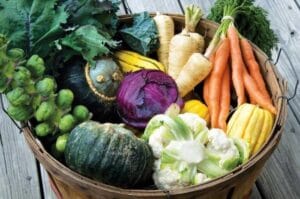
- Brussels Sprouts: Brussels sprouts actually improve in flavor after a frost, making them perfect for late fall and early winter harvesting. They require a longer growing season, so planting them in late summer ensures they’ll be ready by winter.
- Leeks: These mild, onion-like vegetables are well suited for winter gardens. They can survive in cold weather, and some varieties can even withstand light snow cover, allowing for a fresh harvest throughout the winter.
- Carrots: Carrots can be left in the ground well into winter if properly mulched. The cold weather concentrates their natural sugars, making them sweeter and tastier.
2. Herbs for Winter Gardens
Certain herbs can also thrive in the colder months or be easily grown indoors during winter. While not all herbs can survive freezing temperatures, many can still provide fresh flavor to your winter meals.
- Thyme: Hardy perennial thyme can survive light frosts, making it a good choice for Northeast winter gardens. It can be grown outside in containers or indoors on a sunny windowsill.
- Parsley: This herb is surprisingly hardy, especially curly parsley. It can withstand light frost and can often be harvested well into the colder months if provided with a bit of protection.
- Sage: Another hardy perennial, sage can be grown outside and will often survive the winter with minimal care. It’s a great addition to winter soups and stews.
- Chives: These can be grown outside and harvested throughout the fall and early winter or moved indoors to a sunny window for continued growth. Chives add a mild onion flavor to winter dishes.
3. Cover Crops
If you’re not planting winter vegetables or herbs, consider planting cover crops to protect your garden soil over the winter. Cover crops prevent erosion, improve soil structure, and can even add nutrients to the soil. Popular cover crops for the Northeast include:
- Winter Rye: Rye is a fast-growing crop that can withstand cold temperatures and protect the soil over the winter. In the spring, it can be tilled into the soil to add organic matter.
- Clover: Clover is another great cover crop that not only protects the soil but also fixes nitrogen, improving soil fertility for the next growing season.
- Winter Wheat: Like rye, winter wheat grows during the cooler months and helps prevent soil erosion while adding organic material to your garden come spring.
4. Season Extending Tools
Winter gardens in the Northeast can be made easier with the help of season-extending tools. These items allow you to grow crops longer into the winter and protect more delicate plants from frost and snow.
- Cold Frames: Cold frames are low, transparent structures that trap heat and protect plants from frost. They’re ideal for growing greens like lettuce, spinach, and arugula into late fall and early winter. You can also use cold frames to start seedlings earlier in the spring.
- Row Covers: These lightweight, breathable covers are draped over plants to protect them from frost, wind, and pests. They’re great for extending the growing season of cold-hardy crops like kale, spinach, and radishes.
- Mulch: Applying a thick layer of organic mulch (such as straw or leaves) helps insulate the soil and protect the roots of overwintering plants like carrots and leeks. Mulching also helps retain moisture and prevent soil from freezing too deeply.
- Greenhouses: For those who are serious about winter gardening, a small greenhouse can make a huge difference. Greenhouses allow you to grow a wide range of vegetables and herbs throughout the winter, even in harsh Northeast climates. With the right setup, you can maintain a consistent growing environment despite freezing temperatures outside.
5. Indoor Gardening
When outdoor temperatures dip too low for even the hardiest of crops, you can bring your garden indoors. Many herbs, leafy greens, and even some vegetables can be grown in pots on sunny windowsills or under grow lights for great winter gardens.
- Lettuce: Quick-growing lettuce varieties like ‘Buttercrunch’ or ‘Oakleaf’ can be grown indoors during the winter. They thrive under grow lights or in bright, indirect sunlight.
- Microgreens: Microgreens are one of the easiest crops to grow indoors during the winter. They require minimal space and light, and you can harvest them in as little as two weeks. Varieties like radish, mustard, and arugula are popular choices for home gardeners.
- Garlic Greens: While garlic cloves planted outdoors will produce bulbs in the spring, you can grow garlic greens (the leaves) indoors over the winter. Simply plant garlic cloves in a pot, and in a few weeks, you’ll have fresh garlic greens to use in recipes.
6. Winter Garden Planning Tips
Winter gardens requires careful planning to ensure that your crops thrive despite the cold weather. Here are a few tips to help you make the most of your winter garden:
- Start Early: Many cold-hardy crops, like Brussels sprouts and carrots, should be planted in late summer or early fall to ensure they’re ready for winter harvesting. Plan your garden ahead of time and keep an eye on your local frost dates.
- Protect Your Plants: Using cold frames, row covers, or mulch will help protect your plants from freezing temperatures and frost. Choose the right protection based on your climate and the crops you’re growing.
- Choose the Right Varieties: When selecting seeds for your winter garden, look for varieties specifically bred for cold tolerance. Many seed companies offer winter-specific options that are better suited for the Northeast’s challenging weather conditions.
- Harvest Smart: During the winter, plants grow more slowly due to lower light levels and colder temperatures. Be mindful of how much you harvest to ensure that your crops continue to grow and provide food throughout the season.
Conclusion
Winter gardening in the Northeast USA is not only possible but can also be incredibly rewarding with the right crops and tools. By selecting cold-hardy vegetables, herbs, and cover crops, you can extend your growing season and enjoy fresh produce even in the winter months. With the use of season-extending tools like cold frames and row covers, along with indoor gardening options, your home garden can flourish year-round. So embrace the cold, plan ahead, and reap the rewards of a winter garden!
Also check out Health Benefits of Eating Fresh and Local to see what winter gardens can do for you.