Chicken eggs come in various types, distinguished by factors like size, color, production methods, and specialized attributes. These differences influence their culinary uses, nutritional profiles, and suitability for specific dishes. Below is a comprehensive exploration of the types of chicken eggs and their best applications, tailored to meet your 1000-word request.
1. Egg Types by Shell Color
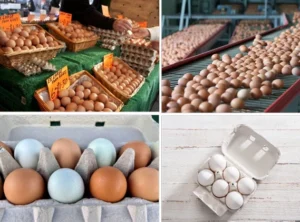
Chicken eggs are most commonly categorized by their shell color, which is determined by the breed of the hen. Shell color does not affect taste, nutrition, or quality but can influence consumer preference or aesthetic use in dishes.
- White Eggs
White-shelled eggs are laid by breeds like the White Leghorn, a prolific layer popular in commercial production. These eggs dominate in many regions, especially in the United States, due to the efficiency of the hens.
Best Uses: White eggs are versatile and widely used in baking, cooking, and processed foods like mayonnaise or custards. Their neutral appearance makes them ideal for dishes where presentation isn’t the focus, such as scrambled eggs or batters. They’re also common in industrial food production due to their consistent supply. - Brown Eggs
Brown eggs come from breeds like Rhode Island Reds or Plymouth Rocks. They often cost more because the hens require more feed to produce them, as these breeds are larger. The brown color comes from pigments like protoporphyrin deposited on the shell.
Best Uses: Brown eggs are nutritionally identical to white eggs and are equally versatile. They’re often preferred in organic or farm-fresh markets for their rustic appeal. Use them in any recipe, from omelets to cakes, especially when a farm-to-table aesthetic is desired. - Blue and Green Eggs
Breeds like Araucanas or Ameraucanas lay eggs with blue or green shells due to a pigment called oocyanin. These eggs are less common and often associated with specialty or backyard flocks.
Best Uses: Their vibrant colors make them ideal for decorative dishes, like deviled eggs or hard-boiled egg platters, where visual appeal matters. They’re also popular in farm-to-table restaurants or for home cooks wanting to impress guests. Nutritionally, they’re identical to white or brown eggs, so they’re suitable for all recipes. - Speckled or Tinted Eggs
Some breeds, like Welsummers, produce eggs with speckled or lightly tinted shells (creamy, pinkish, or olive tones). These are rare in commercial settings but prized in artisanal markets.
Best Uses: Best for display purposes, such as in open egg cartons at farmers’ markets or as part of gourmet presentations. They work well in any dish but shine in recipes where the egg is visible, like poached or soft-boiled eggs.
2. Egg Types by Production Method
The way hens are raised significantly impacts egg characteristics, including taste, yolk color, and consumer perception. Production methods also reflect ethical and environmental considerations.
- Conventional (Cage) Eggs
These eggs come from hens raised in battery cages, a common commercial practice. They’re typically the cheapest option and widely available.
Best Uses: Ideal for budget-conscious cooking or baking where cost is a priority. They’re reliable for everyday recipes like scrambled eggs, quiches, or mass-produced baked goods. However, some consumers note a less rich flavor compared to free-range eggs due to the hens’ diet and environment. - Cage-Free Eggs
Cage-free hens live in open barns or aviaries, allowing more movement than caged systems. However, they may not have outdoor access.
Best Uses: These eggs are a middle ground in terms of cost and quality. They’re suitable for general cooking and baking, with a slightly richer flavor than conventional eggs due to varied diets. Use them in frittatas, custards, or homemade pasta where a balanced flavor is desired. - Free-Range Eggs
Free-range hens have access to the outdoors, which often results in a more varied diet (including insects and plants). This can lead to deeper yolk colors and richer flavors.
Best Uses: Perfect for dishes where the egg’s flavor is prominent, such as sunny-side-up eggs, hollandaise sauce, or carbonara. The vibrant yolk color enhances visual appeal in dishes like shakshuka or egg salads. - Pasture-Raised Eggs
Pasture-raised hens roam freely on pastures, consuming a natural diet of grass, bugs, and supplemental feed. These eggs often have the richest flavor and brightest yolks due to high levels of beta-carotene.
Best Uses: Ideal for gourmet cooking or recipes highlighting eggs, like soft-boiled eggs with toast or homemade mayonnaise. Their superior taste and nutrition make them worth the higher cost for egg-centric dishes. - Organic Eggs
Organic eggs come from hens fed certified organic feed, free of pesticides, herbicides, and GMOs. They’re often cage-free or free-range, adhering to strict welfare standards.
Best Uses: Great for health-conscious consumers or recipes requiring high-quality ingredients, such as soufflés or organic baked goods. Their clean production makes them a favorite for raw or lightly cooked dishes like aioli or tiramisu.
3. Egg Types by Size and Grade
Egg size and grade are standardized in many countries, affecting their culinary applications.
- Size Variations (Small, Medium, Large, Extra-Large, Jumbo)
Egg size depends on the hen’s age and breed. Large eggs are the standard in most recipes, weighing about 50 grams each. Smaller eggs come from younger hens, while jumbo eggs are from older or specific breeds.
Best Uses:- Small/Medium: Best for portion-controlled dishes, like single-serve quiches or recipes requiring precise measurements.
- Large: The default for most recipes, from cakes to omelets, due to their consistent size.
- Extra-Large/Jumbo: Ideal for recipes needing more egg volume, like large soufflés or custards, or for bold presentations like oversized fried eggs.
- Grade (AA, A, B)
In the U.S., eggs are graded based on quality. Grade AA eggs have firm whites and high, round yolks, while Grade A is slightly less perfect. Grade B eggs may have minor imperfections and are often used in processed foods.
Best Uses:- Grade AA/A: Best for dishes where appearance matters, like poached or fried eggs.
- Grade B: Suitable for baking or scrambled eggs, where slight imperfections won’t affect the outcome.
4. Specialty Eggs
Specialty eggs are produced with specific enhancements or purposes, often catering to niche markets.
- Omega-3 Enriched Eggs
These eggs come from hens fed diets high in omega-3 fatty acids (e.g., flaxseed). They contain higher levels of heart-healthy fats.
Best Uses: Ideal for health-focused diets, especially in dishes like egg salads or hard-boiled eggs where nutritional benefits are prioritized. They taste similar to regular eggs, so they’re versatile. - Vitamin-Enriched Eggs
Hens fed nutrient-enhanced diets produce eggs with added vitamins like D or E.
Best Uses: Great for boosting nutrition in simple dishes like boiled eggs or omelets, especially for those with dietary deficiencies. - Low-Cholesterol Eggs
These are marketed as having reduced cholesterol, often through specialized hen diets. However, the difference is minimal, as most cholesterol in eggs is in the yolk, which remains unchanged.
Best Uses: Suitable for health-conscious consumers but can be used in any egg dish. They’re less common due to limited nutritional impact. - Fertilized Eggs
Fertilized eggs, often sold in specialty markets, come from hens kept with roosters. They’re safe to eat if refrigerated and not incubated.
Best Uses: Common in some cuisines (e.g., balut in Southeast Asia) or for cultural dishes. In Western cooking, they’re used like regular eggs if unincubated.
5. Egg Types by Culinary Preparation
Eggs can also be categorized by how they’re prepared or sold, affecting their use.
- Fresh Eggs
Straight-from-the-farm eggs, often unwashed to retain their natural protective coating (bloom). They have a short shelf life unless refrigerated.
Best Uses: Best for recipes requiring peak freshness, like poaching or raw preparations (e.g., Caesar dressing). Their rich flavor shines in minimalistic dishes. - Processed Eggs (Liquid, Powdered, Frozen)
These are pasteurized eggs sold in liquid form, as powder, or frozen. They’re common in commercial kitchens.
Best Uses: Liquid eggs are great for large-scale baking or scrambled eggs in food service. Powdered eggs are used in camping or baking mixes, while frozen eggs suit industrial production. - Hard-Boiled or Pre-Cooked Eggs
Sold pre-cooked for convenience, often peeled and ready to eat.
Best Uses: Perfect for quick salads, snacks, or deviled eggs. They save time in meal prep.
Nutritional Considerations
All chicken eggs, regardless of type, have similar core nutritional profiles: about 70 calories, 6 grams of protein, and 5 grams of fat per large egg. Differences arise from production methods (e.g., pasture-raised eggs may have more omega-3s or vitamin D). Yolk color, influenced by diet, doesn’t alter taste but can indicate higher nutrient content in free-range or pasture-raised eggs.
Choosing the Right Egg
The best egg type depends on your priorities:
- Budget: Conventional or cage-free eggs.
- Flavor and Quality: Pasture-raised or free-range eggs.
- Aesthetics: Blue, green, or speckled eggs.
- Health: Organic or omega-3 enriched eggs.
- Convenience: Pre-cooked or liquid eggs.
For most home cooks, large Grade A free-range or organic eggs offer a balance of quality, flavor, and versatility. Always check for freshness (float test: fresh eggs sink in water) and store eggs in the fridge to maintain quality.