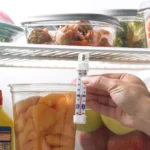
Farmers markets offer an abundance of fresh, locally grown produce that often surpasses supermarket quality in both flavor and nutritional value. However, without proper storage techniques, these vibrant fruits and vegetables can spoil quickly. Understanding how to store different types of produce can help extend their shelf life, reduce food waste, and ensure you get the most out of your market haul.
1. General Storage Principles
Before diving into specific storage methods, it’s important to understand a few key principles:
- Temperature Matters: Some produce thrives in cold environments, while others do better at room temperature.
- Humidity Control: Leafy greens need high humidity, while fruits like apples and pears prefer lower humidity.
- Ethylene Awareness: Certain fruits emit ethylene gas, which speeds up ripening and can cause nearby vegetables to spoil faster.
2. Storing Leafy Greens
Leafy greens like spinach, kale, and lettuce are highly perishable. To keep them fresh:
- Wash and Dry Thoroughly: Excess moisture can lead to premature wilting.
- Store in a Produce Bag: Place them in a breathable bag with a paper towel to absorb excess moisture.
- Keep in the Crisper Drawer: A high-humidity environment helps maintain freshness.
3. Herbs: Keeping Them Vibrant
Fresh herbs can wilt quickly if not stored properly. Here are two effective methods:
- Treat Them Like Flowers: Trim the stems and place them in a jar with water, leaving them on the counter.
- Wrap in a Damp Towel: Store herbs like cilantro and parsley in a damp paper towel inside a produce bag.
4. Root Vegetables: Maintaining Crunch
Carrots, radishes, and beets can last for weeks if stored correctly:
- Remove Leafy Tops: The greens draw moisture away from the root.
- Store Unwashed: Keep them in a produce bag or container with a damp towel to maintain humidity.
- Keep in the Refrigerator: A cool environment helps preserve their crisp texture.
5. Berries: Preventing Mold and Softening
Berries are delicate and prone to mold. To extend their shelf life:
- Do Not Wash Until Ready to Eat: Moisture accelerates spoilage.
- Spread Out in a Single Layer: Prevent crushing by storing them on a sheet pan.
- Use a Paper Towel-Lined Container: Absorbs excess moisture and prevents mold growth.
6. Tomatoes, Onions, and Garlic: Room Temperature Storage
Some produce fares better outside the fridge:
- Store in a Single Layer: Prevent bruising and premature ripening.
- Keep Away from Ethylene Producers: Tomatoes should be kept away from bananas and apples.
- Use a Cool, Dark Place: Onions and garlic last longer when stored in a ventilated area.
7. Ethylene Gas: What to Keep Separate
Ethylene-producing fruits like apples, bananas, and avocados can accelerate ripening in nearby produce. To prevent premature spoilage:
- Store Ethylene-Sensitive Produce Separately: Keep potatoes, leafy greens, and carrots away from ethylene emitters.
- Use Ventilated Storage: Proper airflow reduces ethylene buildup.
8. Freezing and Preserving
If you have excess produce, freezing is a great way to extend its usability:
- Blanch Before Freezing: Helps retain texture and color.
- Use Airtight Containers: Prevents freezer burn.
- Label and Date: Keep track of storage times for optimal freshness.
By following these storage techniques, you can maximize the shelf life of your farmers market produce, reduce food waste, and enjoy fresh, flavorful ingredients for longer. Whether it’s leafy greens, berries, or root vegetables, proper storage ensures that your market haul remains as fresh as the day you bought it.